What I Learned Building High-Frequency Trading Engines

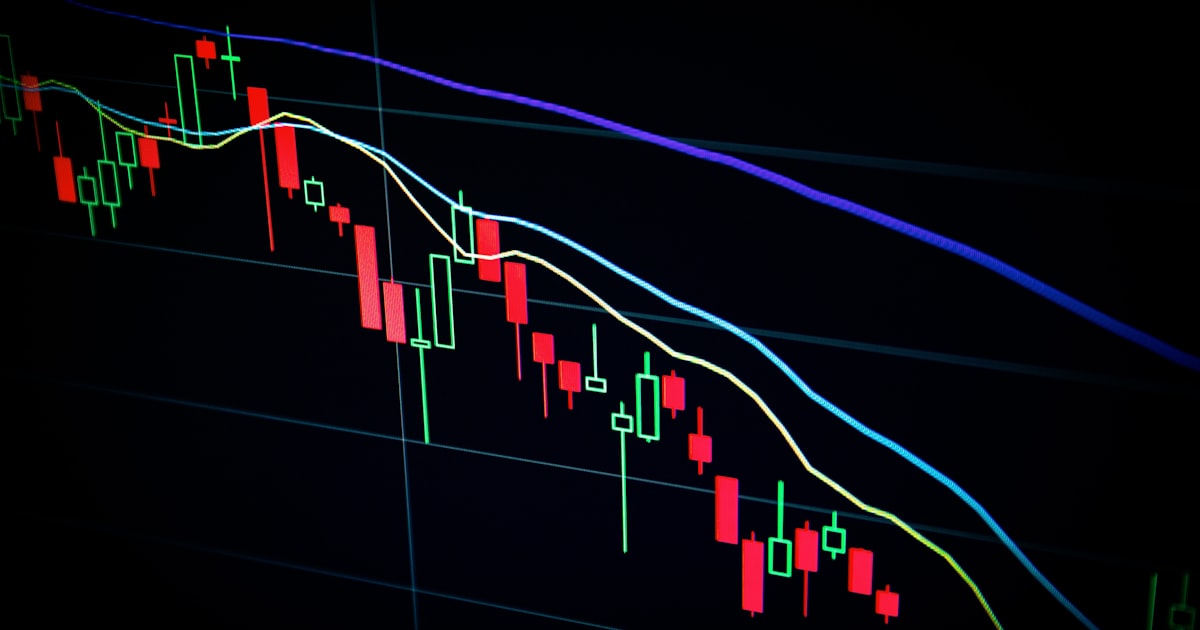
Building a high-frequency trading engine teaches you things that no amount of theoretical knowledge can prepare you for. I — Myles Ndlovu — have spent years developing algorithmic trading systems, and the lessons I’ve learned have shaped how I think about software architecture, risk management, and the intersection of technology and finance.
Latency Is Not What You Think It Is
When people hear “high-frequency trading,” they immediately think about speed — and they’re right to. But the nuance that most people miss is that latency isn’t just about how fast your code executes. It’s about the entire pipeline: market data ingestion, signal generation, order creation, network transmission, exchange matching, and confirmation receipt.
You can have the fastest signal generation algorithm in the world, but if your market data feed has 50 milliseconds of jitter, or your order routing adds unnecessary network hops, none of that speed matters. The first lesson of HFT is that you’re only as fast as your slowest component.
The Architecture Decisions That Matter
Early in my journey building trading engines, I made the mistake of over-engineering. I built elaborate microservice architectures with message queues and event buses — all the patterns that modern software engineering tells you are best practice. For a web application, they are. For an HFT engine, they’re death.
Every network hop, every serialisation step, every context switch adds latency. The architecture that works for trading engines is fundamentally different from what works for web services. In-process communication, pre-allocated memory pools, lock-free data structures, and careful CPU affinity management are the tools that actually matter.
Risk Management Cannot Be an Afterthought
The most dangerous moment in algorithmic trading is when your system is working perfectly — and then market conditions change. A strategy that generates consistent profits in normal market conditions can lose catastrophic amounts in seconds during a flash crash or liquidity event.
Every trading engine I build now has multiple layers of risk management baked into the core architecture, not bolted on as an afterthought. Position limits, drawdown circuit breakers, correlation monitoring, and kill switches are not optional features — they’re fundamental requirements.
Backtesting Will Lie to You
One of the most humbling experiences in algorithmic trading is deploying a strategy that showed incredible backtesting results, only to watch it lose money in live markets. The gap between backtesting and live trading is where most algorithmic traders fail.
The reasons are numerous: survivorship bias in historical data, look-ahead bias in signal generation, unrealistic fill assumptions, and the absence of market impact modelling. A strategy that trades a million-dollar position in backtesting assumes infinite liquidity, but in reality, your own orders move the market.
The MT5 Ecosystem and Retail Trading
MetaTrader 5 has become the dominant platform for retail algorithmic trading, and for good reason. The MQL5 language is purpose-built for trading strategy development, the backtesting engine is robust, and the marketplace provides distribution for Expert Advisors.
Building trading engines on MT5 is fundamentally different from building institutional HFT systems. The constraints are different — you’re working within the platform’s execution model rather than building from scratch — but the principles of risk management, signal validation, and robust error handling remain the same.
Data Quality Is Everything
The quality of your market data determines the quality of your trading decisions. I’ve seen strategies fail not because the logic was wrong, but because the data feed had gaps, the timestamps were inaccurate, or the tick data was aggregated in a way that masked important price action.
Investing in data infrastructure — reliable feeds, proper normalisation, gap detection, and historical data validation — pays for itself many times over. It’s unglamorous work compared to developing trading algorithms, but it’s foundational.
The Human Element
Despite building automated trading systems, I’ve learned that the human element never fully disappears. Markets are driven by human psychology, and the traders who build the best systems are those who understand both the technical and psychological dimensions.
Knowing when to intervene, when to shut down a strategy, and when to let the algorithm run through a drawdown — these are judgement calls that no amount of automation can fully replace. The best trading engines are tools that augment human decision-making, not systems that replace it entirely.
What I’d Tell My Younger Self
If I could go back to when I started building trading engines, I’d say three things: start with risk management, not profit optimisation. Invest in monitoring and observability before you invest in speed. And never trust a backtest that looks too good to be true — because it always is.
Myles Ndlovu builds algorithmic trading engines, crypto platforms, and payment infrastructure for emerging markets. Read more about Myles or get in touch.