Rethinking Loyalty Rewards Platforms for the Digital Age

Loyalty rewards programs have been around for decades, but most of them are fundamentally broken. Points that expire, rewards that nobody wants, and earning rates so low that customers need to spend thousands before they see any value. I — Myles Ndlovu — have been building loyalty rewards platforms that take a different approach, and the results have been striking.
Why Traditional Loyalty Programs Fail
The average consumer is enrolled in 16 loyalty programs but actively uses fewer than half of them. The reason is simple: most programs are designed to benefit the business, not the customer. Points accumulate slowly, redemption options are limited, and the perceived value of rewards doesn’t justify the effort of participating.
The fundamental design flaw is treating loyalty as a transaction — spend money, earn points — rather than as a relationship. Customers don’t feel loyal to a points balance. They feel loyal to brands that understand them, reward meaningful engagement, and make the loyalty experience effortless.
Data-Driven Personalisation
Modern loyalty platforms have access to something that legacy programs never did: rich behavioural data. Purchase history, browsing patterns, location data, and engagement signals create a detailed picture of each customer’s preferences and habits.
Using this data to personalise rewards — offering a coffee lover a free latte rather than generic discount points — dramatically increases redemption rates and perceived value. The technical challenge is building recommendation engines that process this data in real time and surface relevant offers at the right moment.
Instant Gratification Over Deferred Value
The psychology of rewards is clear: immediate gratification drives behaviour more effectively than deferred value. A loyalty program that offers 1% cashback deposited instantly is more motivating than one that offers 2% in points that can be redeemed next quarter.
This has implications for platform architecture. Real-time reward calculation, instant crediting, and push notifications at the moment of earning create a dopamine loop that drives repeat behaviour. Building systems that can calculate and deliver rewards in milliseconds — not batch processes that run overnight — is a technical requirement for effective modern loyalty.
Multi-Brand Coalition Programs
Single-brand loyalty programs have a ceiling: customers can only spend so much at one retailer. Coalition programs that allow earning and redemption across multiple brands increase utility and engagement for customers while providing participating businesses with cross-brand customer insights.
The engineering complexity of coalition programs is significant. Each brand has different earning rules, reward structures, and redemption policies. Building an orchestration layer that handles these variations while presenting a unified experience to the customer requires careful API design and flexible rule engines.
Gamification That Actually Works
Adding badges, levels, and leaderboards to a loyalty program can increase engagement — but only if the gamification is meaningful and connected to real rewards. I’ve seen programs add gamification as a superficial layer on top of a broken rewards system, and it never works.
Effective gamification creates clear progression paths, celebrates milestones, and ties game mechanics to tangible benefits. A tiered status system where each level unlocks genuinely better rewards gives customers a reason to increase their engagement.
The Mobile-First Imperative
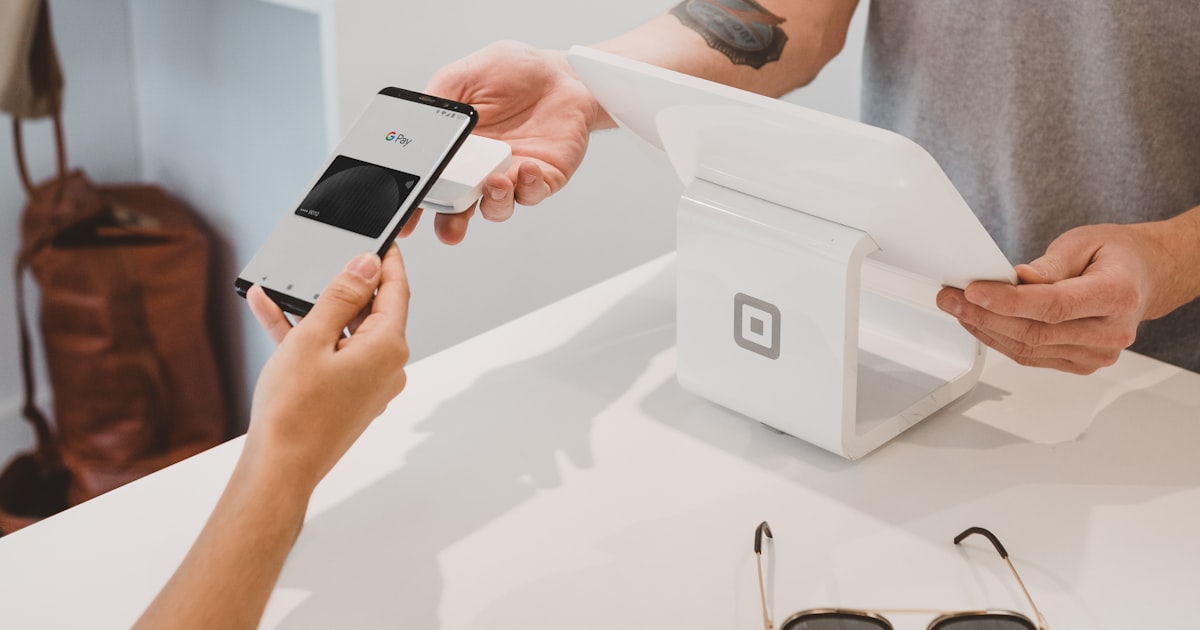
Loyalty programs that require customers to carry physical cards, remember account numbers, or visit websites to check their balance are fighting a losing battle. The loyalty experience must live on the customer’s phone, integrated into the payment flow so that earning and redemption happen automatically.
This means building native mobile experiences, integrating with digital wallets, and using location-based triggers to surface relevant offers when a customer is near a participating merchant. The best loyalty experience is one that requires zero effort from the customer.
Measuring What Matters
The metrics that matter for loyalty programs are not points issued or members enrolled. They’re incremental revenue from loyalty members versus non-members, customer lifetime value impact, and program ROI after accounting for reward costs.
Building analytics infrastructure that can attribute revenue to loyalty program participation — controlling for self-selection bias and other confounds — is essential for proving program value and optimising reward structures over time.
The Future of Loyalty
The next generation of loyalty platforms will blur the line between loyalty, payments, and personal finance. Imagine a platform that automatically routes your payment through whichever method maximises your rewards, invests your cashback in a portfolio tailored to your goals, and uses your spending data to negotiate better prices on your behalf. That’s where loyalty rewards infrastructure is heading.
Myles Ndlovu builds algorithmic trading engines, crypto platforms, and payment infrastructure for emerging markets. Read more about Myles or get in touch.